
Adelaide Casino: Dress Code, Entry Rules and Venue Expectations
Adelaide Casino sits on North Terrace in the city centre, and the main practical question for a visit is not whether you can walk in but what you need to have with you when you do. Entry is generally open to adults, yet staff can ask for photo identification at the door, so carrying a current passport or Australian driver licence matters more than any particular outfit. The dress code is the other detail worth settling before you leave: smart casual is the usual benchmark, and the venue can turn away thongs, sportswear or clothing that looks worn or messy.
See also:
- Getting In: Location, Entry Rules and ID Checks
- Operator comparison: operator details, accounts and verification
- Leon Casino
- LevelUp Casino
- Mega Medusa
- National Casino
- Richard Casino
- The Dress Code: What You Can and Cannot Wear
- What to Leave at Home: Items and Behaviour That Can Refuse Entry
- Inside the Casino: Gaming, Dining and Membership
- Common Questions About Visiting the Casino
- Keeping It Under Control
Getting In: Location, Entry Rules and ID Checks
Access to the casino floor is controlled at a single point inside the building, and knowing where that point is saves the most time. The venue occupies the North Terrace station complex, so the front of the building is a public concourse, not the casino door. The gaming floor entrance is a separate threshold with its own staff and its own conditions.
South Australian law restricts casino gaming to adults, and the door check is how the operator enforces that. The check requires original photo identification: a current passport, driver licence or approved proof-of-age card. Staff compare the photograph with the person presenting it and read the date of birth from the document. Copies are useless here, because a copy cannot prove that the person in front of staff is the person on the card.
- Find the gaming floor entrance using internal signage. Arriving at the station entrance is not the same as arriving at the casino door.
- Present original, current photo ID. Check the expiry before you travel, and make sure the photo still resembles you.
- Keep the document available for a second check if you leave and re-enter. Each crossing of the threshold is a fresh admission decision.
- Expect condition and exclusion to be assessed alongside age. An intoxicated person or someone under an exclusion order is refused regardless of their identification.
Refusal at the door is the operator’s decision, and it is not open to negotiation on the spot. The useful preparation is to separate the two questions: do I have the document, and am I in a condition to be admitted? Both must be satisfied.
highest payout australian online casino
Operator comparison: operator details, accounts and verification
An operator that suits one player can be a poor fit for another, and the difference usually comes down to payment methods, bonus rules and withdrawal limits. The table places those details side by side.
| Brand | Details |
|---|---|
| Leon Casino | Leon Casino is regulated by the Malta Gaming Authority, which sets standards for complaints and terms. |
| LevelUp Casino | Bitcoin, Bitcoin Cash, Litecoin, Dogecoin, Ethereum and USDT are accepted, with crypto generally the fastest payout route. |
| Mega Medusa | Players must be 18+ or the legal age in their jurisdiction, whichever is higher. |
| National Casino | The 100 free spins are delivered as 50 immediately and 50 after 24 hours, each batch wagered separately. |
| Richard Casino | Richard Casino’s terms set out jurisdiction and applicable law provisions governing account disputes. |
Judge each row against your own banking habits and the terms you are willing to accept, then verify the specifics with the operators you shortlist. Comparison only helps if it ends in a decision.
Leon Casino
What does Leon Casino actually offer? A sportsbook built for quick bets and a casino library, both under one registration. The casino games are web content, so a registered user plays them in the browser. The operator works under a Malta Gaming Authority licence, a regulator with a reputation for strict player protection. That combination suits someone who wants variety and a clear supervisory framework. Check the specific games and terms before you commit any money.
LevelUp Casino
LevelUp Casino requires one account per person, and the net extends to households, shared devices and IP addresses. Two people sharing a flat and a broadband connection can trip this rule without any intent to cheat. Bonuses can be forfeited and accounts closed. If someone else in your home already plays there, check the position before registering your own account.
Mega Medusa
Mega Medusa runs on RealTime Gaming software, so the game library is built around RTG titles rather than a mix of studios. Outcomes are driven by a random number generator, which is the usual mechanism for slot results. The welcome bonus advertises up to $12,245, though the wagering conditions attached to it decide whether that headline figure is worth much in practice. Check those terms before depositing.
National Casino
Jackpot eligibility is a game supplier question, not a loyalty one. For Australian players, NetEnt jackpot games carry no prize at National Casino. If a progressive is the reason you are playing, confirm the provider before staking anything on it.
Richard Casino
Which regulator, if any, stands behind a casino account is decided in the fine print. Richard Casino’s terms contain jurisdiction and applicable law sections, and reading them tells you whose courts or dispute body would hear a complaint. Do that reading before you deposit. After you have used the site, you have accepted the framework, and the question of where to escalate becomes harder to answer.
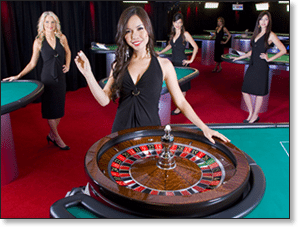
The Dress Code: What You Can and Cannot Wear
Where the line falls between neat and turned away
A casino dress code is rarely a hard published standard with a pass mark. At a city venue it functions more like a floor rule applied at the door: smart casual is the working baseline, and the discretion sits with staff who can read intent, occasion and how an outfit is worn. That is the trade-off a newcomer has to accept. Closing shoes and a collared shirt will not get you guaranteed entry, since nothing does, but they do eliminate the obvious grounds on which a door decision might go the wrong way. The same outfit will read differently on a Saturday evening than on a quiet weekday afternoon, and a dress code that bends for one session may tighten for another.
The practical distinction is between clothing that looks deliberate and clothing that looks careless. Jeans are typically fine when they are clean and full-length. So are tailored shorts in warm weather, a neat top and enclosed footwear, which also deals with the practical matter of walking on gaming floors and standing at tables all night. Workwear, singlets, thongs, ripped or heavily soiled clothing and anything that reads as beachwear sit on the wrong side of that line. Casual is not the problem; sloppy is.
Items staff usually ask you to remove or cover
Headwear is the most consistent sticking point. Caps, beanies and hats are commonly asked off inside, so carry one rather than wear it if you want to avoid a conversation at the entrance. Hoods pulled up and sunglasses worn indoors attract the same response. Gym wear, football shorts and tracksuits often get a second look because they suggest the visitor came straight from somewhere else rather than intending to be there.
The hard edge is reference not to style but to conduct: clothing carrying offensive slogans or imagery is a refusal risk regardless of how smart the rest of the outfit is, and staff can decline entry on that basis even when the garment itself is neat and new.
If you are unsure, ring ahead. A venue can tell you about an event-specific request or a sharper expectation for a particular night, and the answer costs a phone call.
What to Leave at Home: Items and Behaviour That Can Refuse Entry
-
A camera bag, tripod or professional camera setup is the most common practical casualty. Gaming floors generally restrict photography and recording to protect the privacy of other patrons, so equipment that signals an intent to film can be turned away at the door rather than stored. A phone camera in a pocket is a different matter from a shoulder bag of lenses.
-
Large bags, backpacks and luggage create a second problem: floor staff cannot verify what is inside them, and seating areas are not designed for bulky items. A venue that admits you may still ask you to leave a suitcase or overnight bag at a cloakroom or with security, and if no storage is available, the bag goes back to the car with you.
-
Outside food and drink usually breach venue conditions, and the reason is licensing and service control rather than snobbery. Bringing your own alcohol into a licensed premises is treated seriously under liquor rules, and a bottle in a bag can end the visit before it starts.
-
Weapons of any kind, including items carried for self-defence, are refused without exception, and the response is not a negotiation at the door. Whether a small pocket knife counts is a question for the venue’s security team on the day, not for the guest to decide.
-
Behaviour is judged separately from clothing and belongings, and it can trigger refusal even with a perfect outfit. Visible intoxication, aggressive language toward staff or other patrons, and attempts to enter a restricted area all lead to the same outcome: an invitation to leave. The gaming floor operates under a harm-minimisation framework, so staff have a duty to intervene when someone appears distressed or excessively affected by alcohol, and that intervention may include removal.
Spin Dinero Casino: Setting deposit and session limits before you play
-
Banned or self-excluded patrons should expect refusal regardless of how they present. Once a person has elected to be excluded, entry is a licensing matter rather than a discretion, and attempting to enter under a different appearance does not change the underlying record.
-
Items that seem harmless can still be refused at a supervisor’s discretion: drones, laser pointers, political or promotional material intended for distribution, and anything that could disrupt play at a table. The pattern is consistent. If an object interferes with other patrons’ privacy, with the venue’s licensed operations, or with the ability of staff to observe the floor, security can decline it and there is no appeal at the door beyond asking to speak with a duty manager.
Inside the Casino: Gaming, Dining and Membership
Gaming floors and what they actually contain
The gaming area is best understood as a collection of distinct zones rather than a single room. Table play and electronic gaming machines usually occupy separate floors or halls, and each has its own etiquette and pacing. On tables, the minimum and maximum bets posted at each table are the practical filter: they tell you whether the stakes suit you before you sit down, and staff can explain the game’s basic play if you ask. Electronic machines state their own stake options on the screen, and the choice of denomination changes how long a given amount of money lasts, not the odds of any particular outcome. That distinction matters because a machine set to a higher denomination is not more generous; it simply lets you commit more per spin.
Bars, dining and what membership changes
Food and drink outlets inside a casino typically run from casual bars to seated restaurants, with peak times around evenings and event nights. Booking ahead applies mostly to full-service restaurants; bar service rarely needs it. Membership programmes are the other feature worth separating from the gaming itself. A rewards card generally records your play and spending and converts activity into points or tier status, and those tiers may bring benefits such as parking, queue priority or dining offers. The card is a loyalty mechanism, not a discount on the house edge. Joining usually requires identification, and points accrue according to rates set by the operator, so the value of a programme depends on terms you should read rather than on the tier name. If you play occasionally, the realistic question is whether the benefits you would actually use outweigh the personal details and tracked spending the card involves.
Common Questions About Visiting the Casino
What happens when a bet is placed but the round does not confirm acceptance?
Stop and confirm the status with staff before placing another. An unconfirmed round may leave the stake in an unclear state, and settling it depends on the venue’s own transaction record rather than the screen display. Ask for the position in writing if the amount matters.
What happens if a game shown on the venue’s list is closed or unavailable on the night?
A closed table or machine is a scheduling or maintenance decision made at the venue, not a published promise of access. Ask staff whether it will reopen, and treat the listed gaming options as indicative rather than guaranteed for a given visit.
If a result or payout is disputed at the venue, what record should be kept and who reviews it?
Keep the ticket, receipt or player card statement and note the time, game and staff member you spoke to. Venue management reviews the dispute against its own records. Ask which process applies before you leave, because a resolution reached on the floor is not the same as a formal complaint.
Keeping It Under Control
A limit works only if it is set before the evening begins, not negotiated at the table. Decide in advance what money you can lose without changing anything else that week, and treat reaching that figure as the end of play. The same applies to time. Chasing losses, staking more to recover a shortfall, turns a fixed limit into a moving one and removes the only constraint you had. On age and support, entry requires you to be at least 18; state regulators and ACMA oversee gambling in Australia, BetStop offers a national self-exclusion register, and Gambling Help Online is reachable on 1800 858.